

Like many of my friends and colleagues who enjoyed the privilege of learning directly from R. Sacks, I sometimes find it hard to discern whether the way I think about a particular text or topic in Jewish thought is part and parcel of what ‘everyone knows’ about Judaism, and what seems obvious only because I long ago learned to view it through a Sacksian lens.
Two exceptions stand out in my mind:
a) The idea of lashon hatov, positive speech, as the counterpart to the prohibition of lashon hara
b) The observation that there are movements within contemporary psychology, including Cognitive Behaviour Therapy and Positive Psychology, that are philosophically aligned with Judaism and can be drawn upon to create a new mussar movement
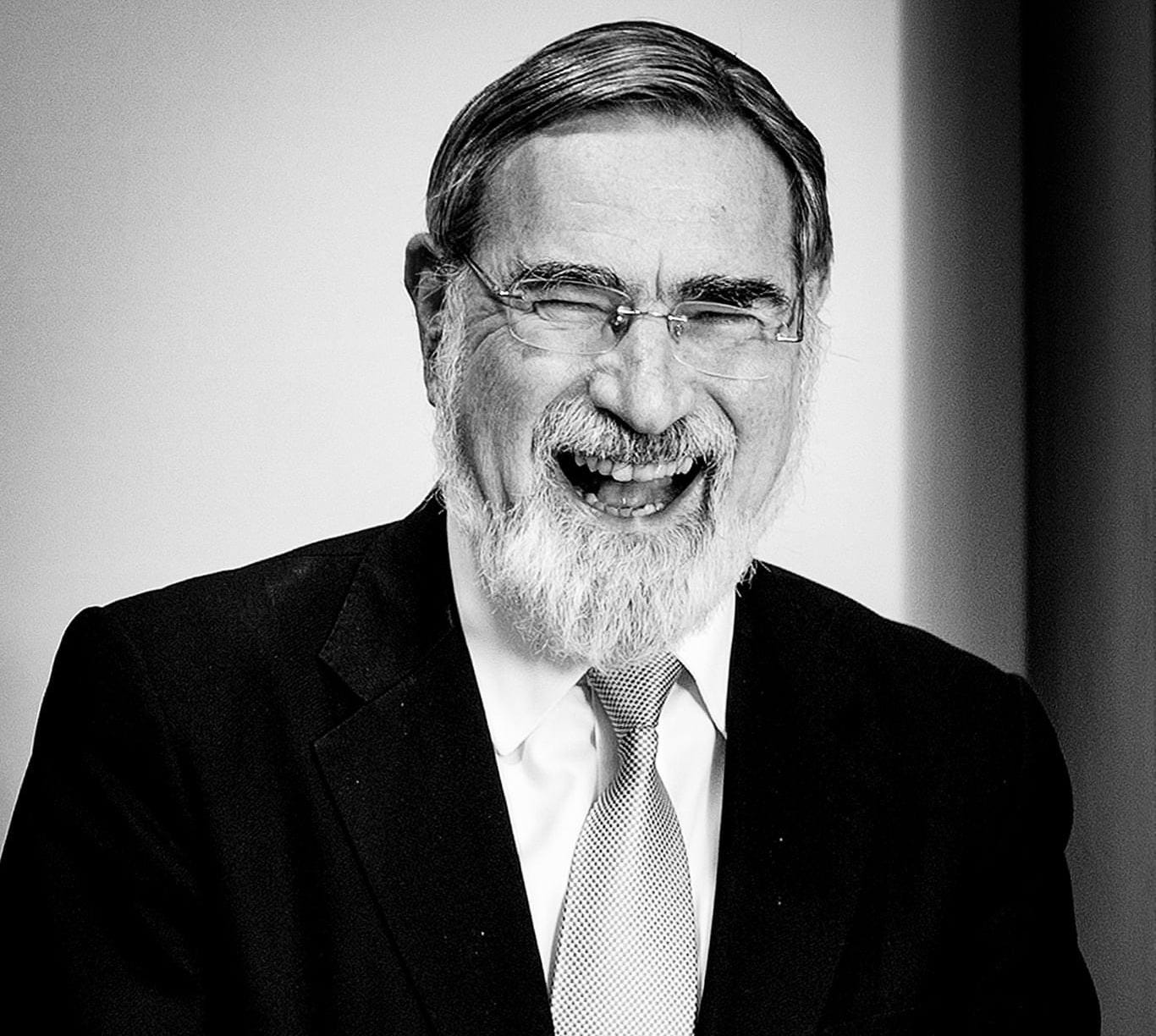
I experienced first-hand Rabbi Sacks’s lashon hatov long before he wrote about the idea. Many years ago, a few days before Rosh Hashana, I was surprised to answer a phone call at home and find the Chief Rabbi’s office on the line. I immediately assumed that the call was for my husband (this was the era before mobiles), but no, Rabbi Sacks was calling me. He told me that he’d enjoyed an article I’d published earlier that year (I was a young scholar at the time, and it might have been my first article). Much as I appreciated his kind words, I was waiting for him to get to the real agenda for the call. Picking up on this, he explained that it was his custom at the end of each year to contact scholars whose work he had benefited from, and to thank them. Decades later, this remains one of my strongest memories of R. Sacks, even more than this milestone moment a few years earlier:
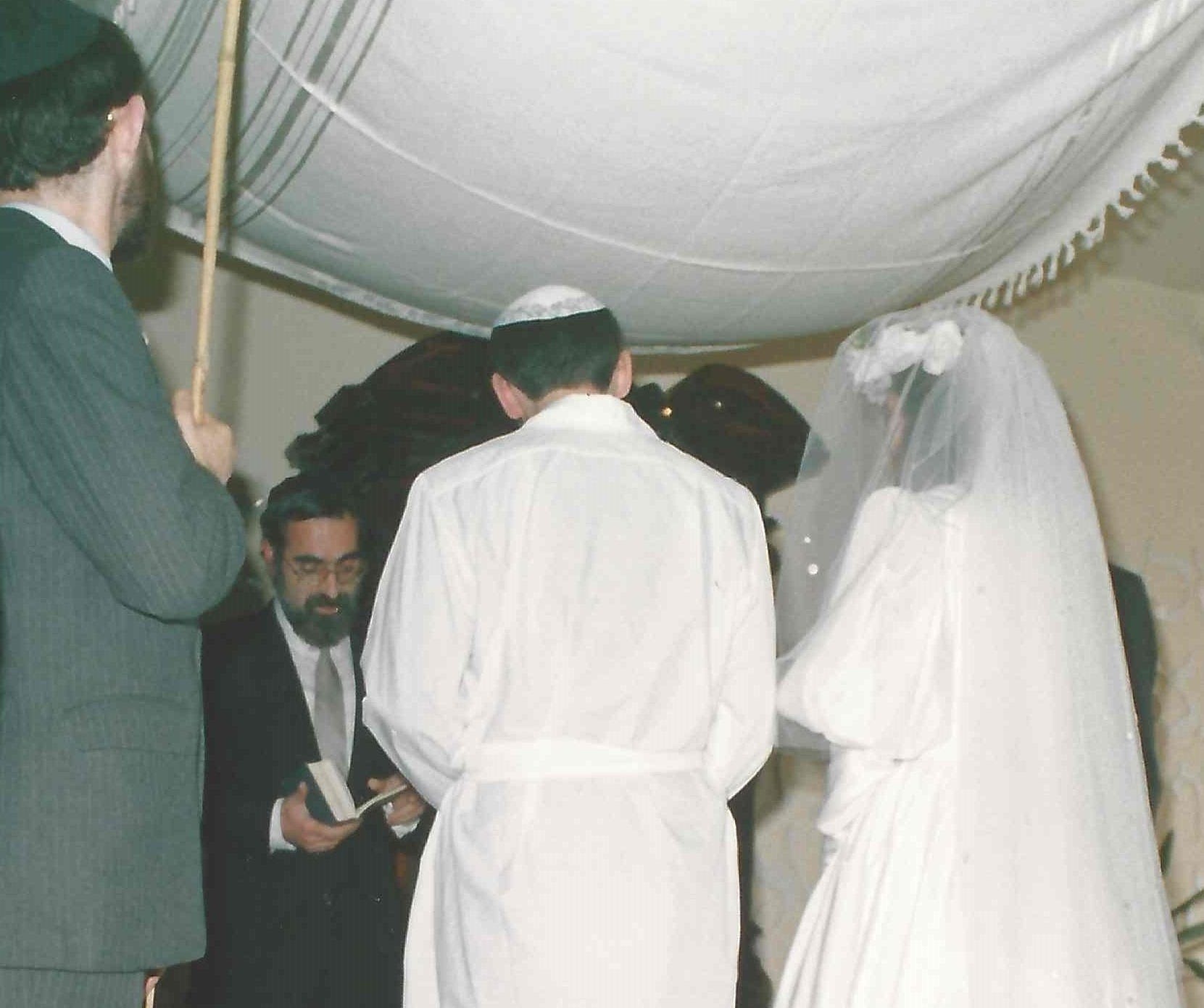
R. Sacks wrote about lashon hatov several times in his Covenant and Conversation series, beginning by showing the idea’s roots in our sources:
So there is such a thing as lashon tov. According to Rambam it falls within the command of “Love your neighbour as yourself.” According to Avot it is one way of “raising up many disciples.” It is as creative as lashon hara is destructive.
Seeing the good in people and telling them so is a way of helping it become real, becoming a midwife to their personal growth. If so, then not only must we praise God. We must praise people too.
To mark R. Sacks’s 6th yahrzeit, I’ll be speaking about R. Sacks’s idea of a ‘new mussar’ at three venues:
Zichron Yaakov: October 31st after kiddush at Kehillat Moed (approximately 10:45 am)
London: November 9th after musaf at Magen Avot
Toronto: November 21st after musaf at a private minyan (email me for details)
This week’s 2020 Torah blast from the past is a recording of Dr Elliott Malamet exploring R. Sacks’s teachings about leadership.
Book now for free 2020 Torah Events (on Zoom)
“Cain, Noah, Abraham and Odysseus – musings on sacrifice”
Shiur with Ian Gamse
Tuesday 10th November at 7 pm (GMT)
Book Launch: After the Dust and Ashes: October 7, The Book of Job, and Journeys from Grief to Hope
Author Calev Ben-Dor in conversation with Ian Gamse
Tuesday, December 1st at 7 pm GMT
I hope you’ll join us!
Shabbat Shalom
Tamra